
The Impact of Color Choice on Rental Property Value
The Psychology of Color
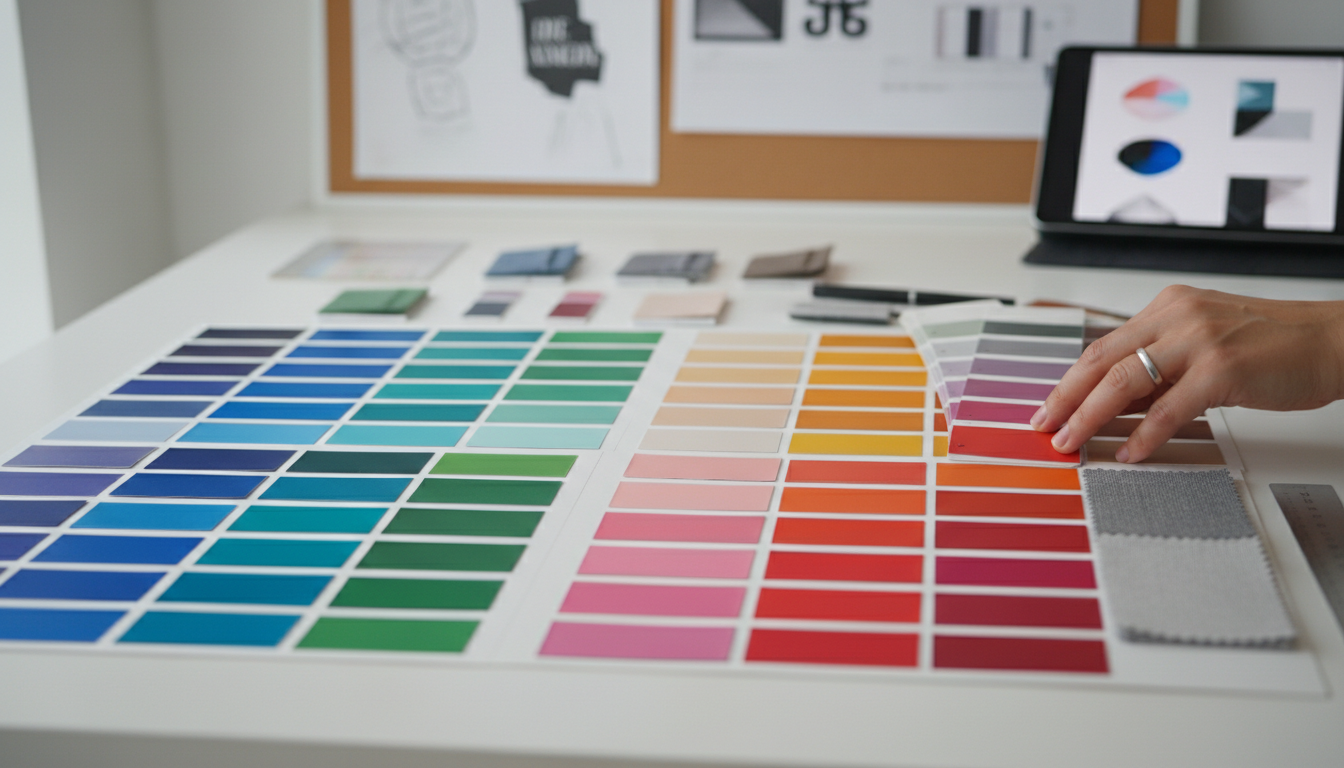
Color choice in rental properties can significantly influence a tenant's perception and, ultimately, the property's value. The psychology of color is a well-studied field, revealing that different colors can evoke various emotions and reactions. For example, warm colors like red and orange can generate feelings of warmth and comfort, while cool colors like blue and green may evoke calmness and tranquility.
Understanding these emotional responses can help property owners create a more appealing environment. By strategically selecting colors, landlords can enhance the overall aesthetic and attract more potential tenants.
Boosting Curb Appeal
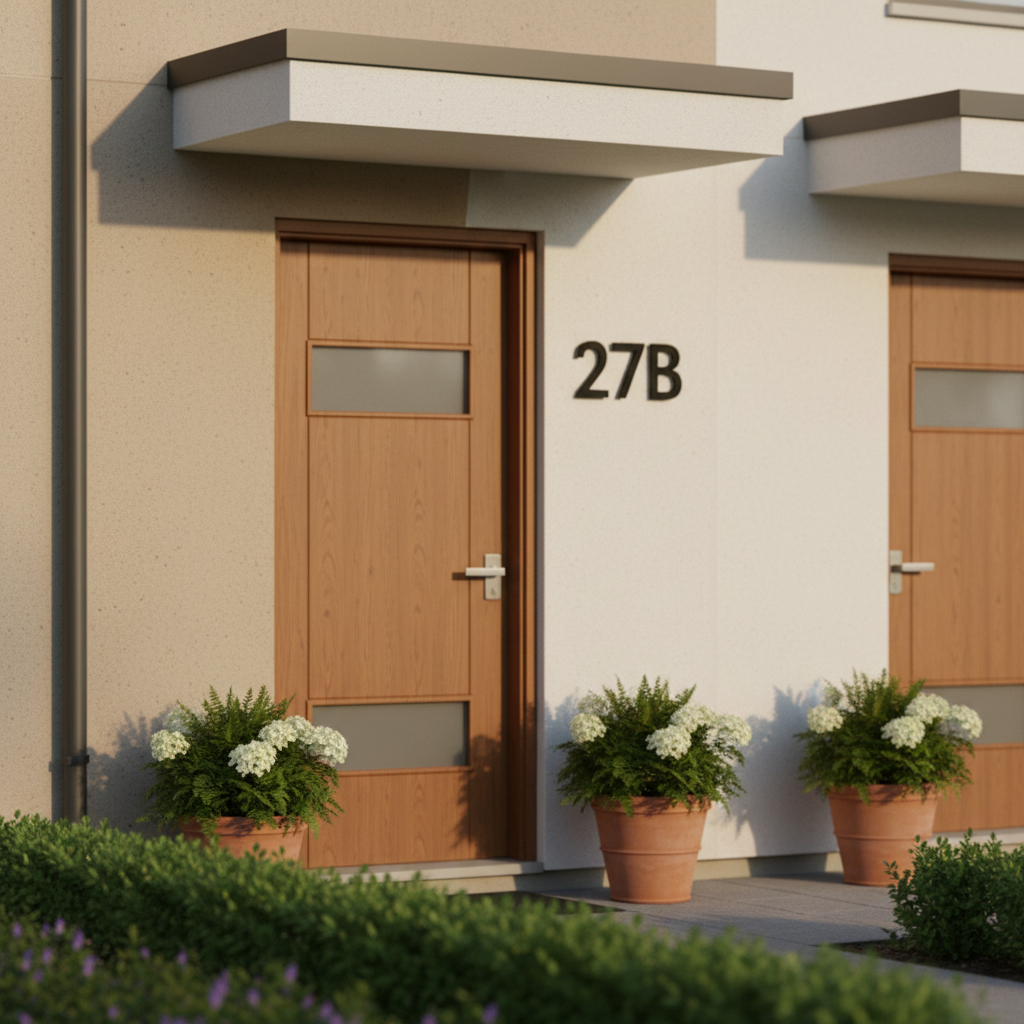
The exterior color of a rental property plays a crucial role in its curb appeal. First impressions matter, and a well-chosen color scheme can make a property stand out positively. Neutral colors, such as beige, grey, or white, are often recommended for exteriors because they are universally appealing and tend to attract a broader audience.
Adding contrasting trim colors can also enhance the visual appeal, creating a sophisticated and inviting look. This increased curb appeal can translate to higher perceived value and better rental rates.
Interior Color Choices
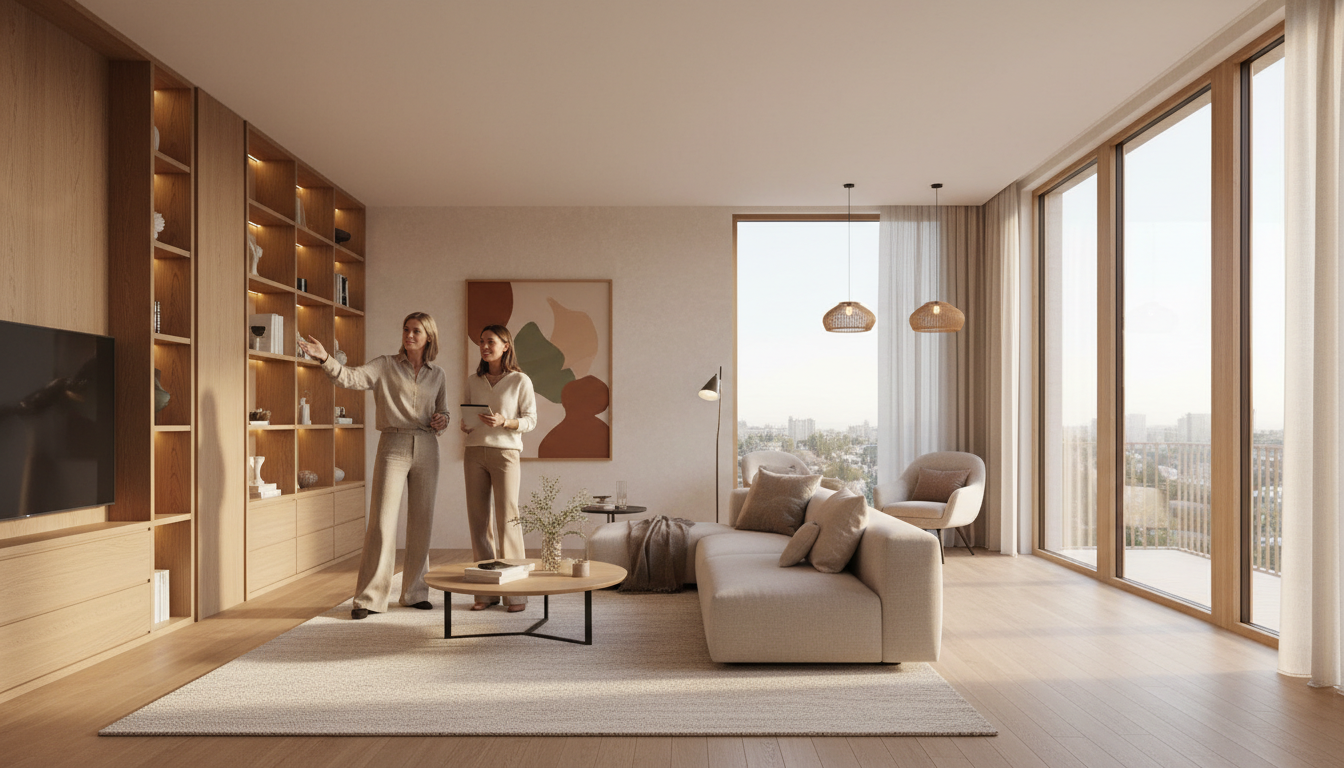
When it comes to the interior of a rental property, subtlety is key. Neutral tones remain popular as they provide a blank canvas for tenants to personalize the space. Shades like soft grey, taupe, or off-white are versatile and can easily complement various styles and furnishings.
However, incorporating accent walls in more vibrant colors can add character without overwhelming the space. This balance can make a property feel modern and fresh, potentially increasing its rental value.
Target Audience Considerations
Different demographics may respond differently to color choices. For instance, younger renters might appreciate bold and trendy colors, while older tenants might prefer more classic and understated hues. Understanding the target audience can guide more effective color decisions that align with their preferences.
Researching local trends and preferences can also provide valuable insights, ensuring that the property's color scheme resonates with the desired tenant demographic.
Color and Maintenance
Another aspect to consider is the maintenance of color choices. Some colors may show dirt and wear more easily, leading to increased maintenance costs. Lighter colors, while appealing, might require more frequent repainting compared to darker shades that can hide imperfections better.
Choosing high-quality paints that are durable and easy to clean can mitigate these issues, preserving the property's value over time.
Conclusion
The impact of color choice on rental property value is multifaceted, influencing both the aesthetic appeal and the emotional response of potential tenants. By carefully considering color psychology, curb appeal, interior design, target audience preferences, and maintenance needs, property owners can make strategic decisions that enhance their property's value.
Investing in the right color choices not only attracts more tenants but can also justify higher rental rates, making it a crucial aspect of property management.